

What is marble stone?

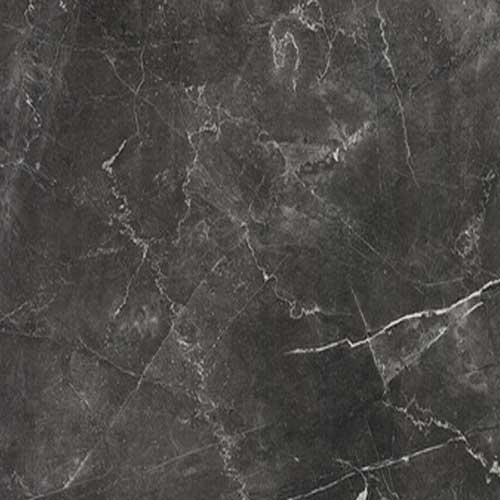
What is Marble Stone? A Complete Guide
Marble is one of the most elegant, timeless, and luxurious natural stones used in architecture, sculpture, and interior design for thousands of years. From the ancient Parthenon in Athens and Michelangelo’s David to modern skyscraper skyscrapers and luxury hotel lobbies, marble has always been a symbol of beauty, prestige, and durability.
Geological Definition
Marble is a metamorphic rock that forms when limestone (a sedimentary rock composed mostly of calcium carbonate) is subjected to intense heat and pressure deep within the Earth’s crust. This process, called metamorphism, causes the limestone to recrystallize, transforming its texture and mineral structure into marble. The result is a dense, crystalline stone made almost entirely of interlocking calcite (or sometimes dolomite) crystals.
Why Marble Looks So Special
The characteristic shine, veining, and depth of marble come from:
- Recrystallization – the crystals grow and interlock, giving marble its ability to take a high polish.
- Natural impurities – traces of clay, silt, iron oxides, or other minerals create the famous veins, swirls, and color variations.
- Light reflection – when polished, light penetrates a few millimeters into the surface and scatters among the crystals, creating that luminous “glow” unique to marble.
Most Famous Types of Marble
- Carrara (Italy) – classic white or blue-grey, used by Michelangelo.
- Calacatta (Italy) – dramatic bold veining on bright white background, very luxurious.
- Statuario (Italy) – purest white with grey-gold veins, the most expensive Italian marble.
- Emperador (Spain & Turkey) – rich brown with irregular white veins.
- Nero Marquina (Spain) – deep black with sharp white veins.
- Crema Marfil (Spain) – warm creamy beige, very popular for flooring.
- Makrana (India) – pure white, used for the Taj Mahal.
- Volakas (Greece) – white with diagonal grey veins.
- Onyx Marble – technically a different stone but often grouped with marble because of translucency.
Physical Properties
- Hardness: 3–4 on Mohs scale (softer than granite, easier to scratch).
- Porosity: low to medium (must be sealed, especially in kitchens and bathrooms).
- Compressive strength: good, but lower than granite.
- Acid sensitivity: reacts strongly with acids (vinegar, lemon, wine) – it etches easily.
- Thermal resistance: moderate; sudden temperature changes can cause cracks.
Advantages of Marble
- Unmatched aesthetic beauty and elegance.
- Takes an extremely high polish.
- Wide range of colors and unique veining (no two slabs are identical).
- Cool surface – feels pleasant underfoot in hot climates.
- Increases property value.
Disadvantages & Limitations
- Scratches and etches more easily than granite or quartz.
- Stains if not sealed properly (especially light-colored marbles).
- Not recommended for high-traffic kitchen countertops unless the owner accepts natural patina.
- Expensive, especially rare Italian and Greek varieties.
- Heavy – requires strong cabinetry and professional installation.
Common Uses Today
- Flooring and wall cladding.
- Kitchen and bathroom countertops (with proper sealing and maintenance).
- Luxury staircases and balustrades.
- Fireplace surrounds.
- Sculptures and decorative objects.
- High-end furniture tops.
- Exterior cladding (in moderate climates; needs careful selection and treatment).
Care & Maintenance
- Seal at installation and every 6–12 months.
- Clean with pH-neutral cleaners (never vinegar or bleach).
- Blot spills immediately.
- Use coasters and cutting boards.
- For etched or scratched surfaces: light honing or professional repolishing can restore the shine.
Marble vs Travertine vs Granite
- Marble – metamorphic, polishable, veined, acid-sensitive.
- Travertine – sedimentary, porous with natural holes, great for exteriors, matte or honed finish.
- Granite – igneous, hardest of the three, almost zero porosity, best for heavy-duty kitchens.
Marble is not just a building material; it’s a piece of Earth’s history transformed into art. Its beauty comes at the price of careful maintenance, but for those who love timeless elegance and are willing to care for it, nothing compares to the depth, glow, and sophistication that real marble brings to a space.
Whether you choose classic Carrara for a minimalist bathroom or dramatic Calacatta Gold for a statement kitchen island, marble remains the ultimate expression of luxury in natural stone.